On September 25th, it was reported that under Musk's strong promotion, space computing power has become a hot emerging AI market in the past two years. Google has also announced that it will soon deploy space computing power, but it still faces many problems.
Google CEO Sundar Pichai announced today on X that he will send his own TPU AI chip into space. The first space computing satellite prototype of Project Suncatcher will be deployed in space on SpaceX's carpool launch mission Transporter-18, scheduled to be launched by the Falcon 9 rocket on October 1st.
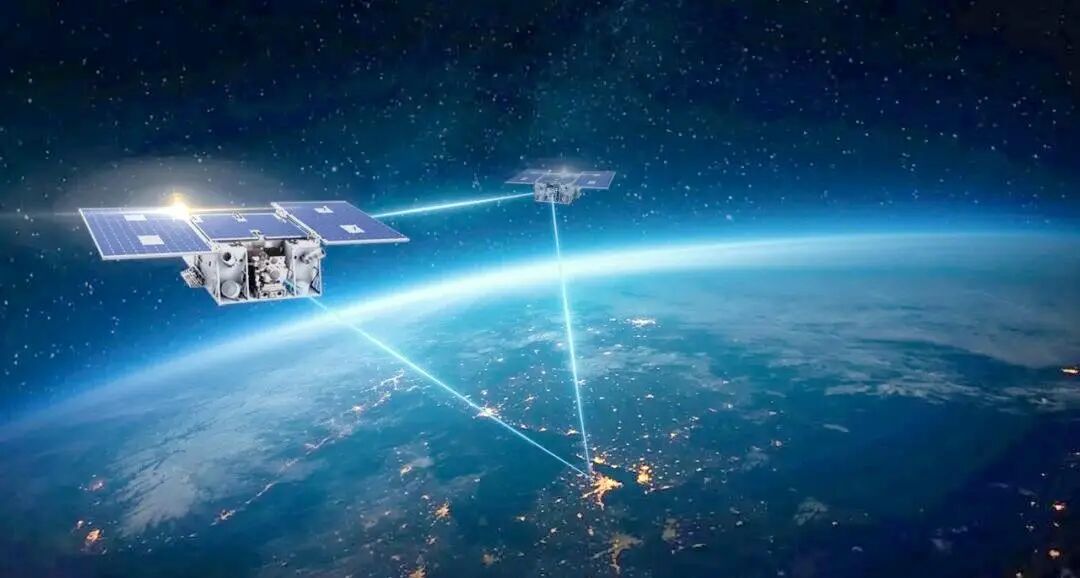
This satellite, codenamed MVP, is part of Google's Project Suncatcher program announced in November last year. The satellite itself was developed in collaboration between Google and remote sensing satellite company Planet, with a volume approximately the size of a refrigerator and equipped with four TPU chips. Its overall computing power is similar to that of a server on the ground, and its design lifespan is one year. It is expected to be able to answer simple Gemini questions.
Google originally planned to launch and deploy space computing satellites for the first time in 2027, with the ultimate goal of establishing a space data center consisting of 81 satellites through laser communication. Now, the launch has been advanced to the end of this year to test the series of challenges of space computing systems from launch to deployment and operation.
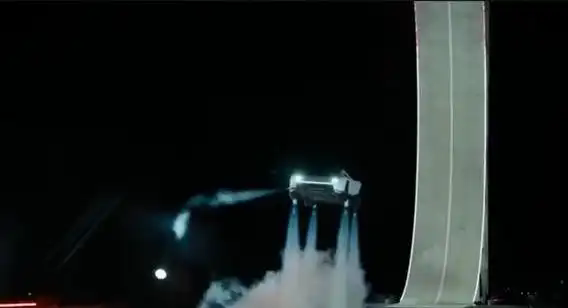
In space, it can receive light for 24 hours and theoretically generate electricity continuously for satellite use. However, there are many technical challenges in practice, such as the G-acceleration impact caused by launch being at least 10 times the Earth's gravity, and the pressure that a single chip can withstand can reach 50-100 times the impact. Google first needs to focus on hardware protection, which is still a relatively easy problem to solve.
It also needs to withstand space radiation, and the sixth generation TPU Trillium can withstand a cumulative radiation dose that exceeds the amount received during a five-year mission in space.
These two problems can still be solved by technology, but heat dissipation is the biggest challenge after space deployment. There is no air in space, so convection heat dissipation cannot be achieved, only radiation heat dissipation can be relied on. Google uses heat pipes and heat dissipation plates, but currently it can only shut down and cool down after running for 15 minutes.
You should know that the current power of MVP satellites is only 1 kilowatt, which is far from the MW and GW levels that data centers really need. How to solve the heat dissipation problem in the future is still the most critical test.
In addition, there is the launch cost. Google estimates that the satellite launch cost will need to be below $200 per kilogram by 2030 to be comparable to the electricity cost of the ground center. Currently, the launch cost still ranges from $1500 to $2900 per kilogram.
In short, space computing power still looks great under current conditions, but in reality, it is suitable for telling stories in the stock market due to the many technologies that have been troubling it.