The global capital market has reached a historic moment, with SpaceX being highly regarded and its debut stock price soaring by double digits, achieving a market value of over $2 trillion.
At the end of early trading on Friday, Eastern Time, SpaceX, a subsidiary of Elon Musk, officially listed on NASDAQ under the stock code SPCX. The opening price was $150, an increase of 11% from the issue price. In the afternoon session, it hit a new high of $176.52, an increase of nearly 31%. Later, it gave up some of its gains and closed at $160.95, an increase of about 19.2%. The company's market value exceeded $2.1 trillion, and it rose at least 1% after trading.
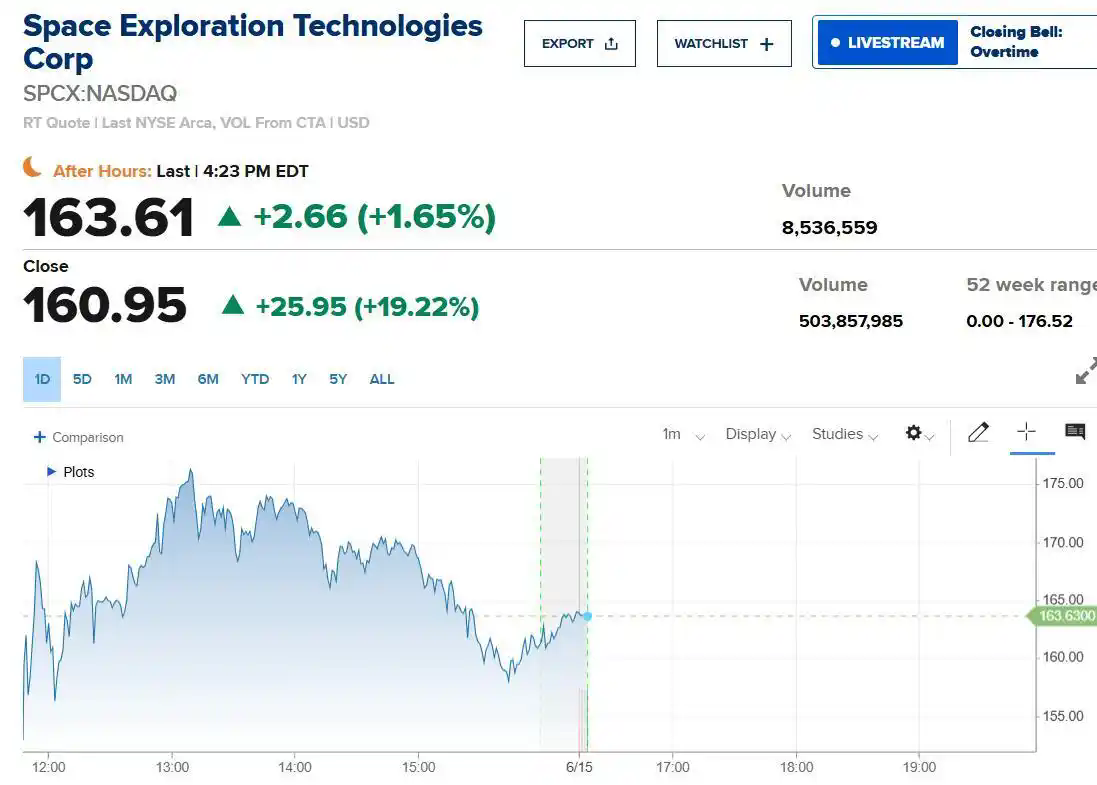
As of the close, SpaceX's market value ranked sixth highest in the US stock market, with the top five being NVIDIA, Google parent company Alphabet, Apple, Microsoft, and Amazon. Another Musk led company, Tesla, has a market value of nearly $1.3 trillion, ranking eighth, followed by Broadcom, which has a market value of over $1.8 trillion, in seventh place.
As the largest IPO in history, SpaceX has raised $75 billion excluding over allotment, more than double the pre IPO fundraising record set by Saudi Aramco. Even if the book value is calculated based on the issue price instead of the intraday trading price, combined with the market value of over 700 million Tesla shares held, Musk, who holds about 42% of SpaceX shares, has become the first billionaire in human history to surpass the $1 trillion mark.
Before the official opening, the market enthusiasm continued to heat up. According to reports, this IPO has attracted over $350 billion in subscription funds, with institutions and retail investors competing to raise funds, setting a new record for subscription multiples for large-scale IPOs in recent years. According to Nasdaq data, SpaceX's opening instruction price rose to $175 at one point, nearly 30% higher than its issue price, indicating that investors' pursuit of this world's most influential commercial aerospace company far exceeded expectations.
Within the first 20 minutes after SpaceX's stock began trading, retail investors bought stocks worth $18.1 million, making SpaceX the second largest individual stock buyer after Nvidia on Friday. Due to SpaceX's excessive investment, other space concept stocks that were on the rise on Thursday generally suffered heavy losses. Space travel company Virgin Galactic Holdings (SPCE) fell more than 30%, and satellite communication company EchoStar (SATS), which holds SpaceX shares, was also not spared, falling more than 10%.
SpaceX, which has ventured into the fields of rockets, satellites, and AI, has completed a historic IPO, paving the way for other companies building AI models to go public on a massive scale. Before SpaceX went public, media estimated that if SpaceX, OpenAI, and Anthropic all successfully went public, it would bring a total of $3.6 trillion in new market value to the US stock exchange. Based on SpaceX's performance after going public, this increase may be even higher.
Institutions splurge $250 billion to raise nearly one-third of funds, but are not allocated
SpaceX sold a total of 555.6 million shares in its IPO, with an issue price of $135, raising $75 billion, far exceeding Saudi Aramco's pre IPO record of $29.4 billion set in 2019. The company is valued at approximately $177 trillion.
After SpaceX goes public, if the underwriters fully exercise the over allotment option and issue an additional 83.33 million shares within 30 days, the company's fundraising scale will further expand to $86.25 billion.
Before SpaceX went public, the demand side was already unprecedentedly hot. The media learned from informed sources that this IPO has received over 350 billion US dollars in subscription demand, of which institutional investors have subscribed for over 250 billion US dollars, and nearly one-third of institutions have not been allocated.
According to the aforementioned media, in this issuance, SpaceX will allocate approximately 20% of its shares to individual investors, which is equivalent to approximately $15 billion of stock flowing into the retail market. However, there are still a large number of investors who have not been allocated or have only received a very small share, as the order size submitted by retail investors exceeds $100 billion.
Among institutional investors, long-term funds have become the focus of allocation. About 70% of the institutional placement shares are allocated to long-term investors and sovereign wealth funds. Previously, media reports stated that BlackRock had separately submitted approximately $5 billion in subscription orders, while the Saudi Public Investment Fund (PIF) and the Kuwait Investment Authority (KIA) had subscribed for stocks ranging from $1 billion to $5 billion each.
The investment bank lineup involved in underwriting is equally luxurious, including 23 financial institutions such as Goldman Sachs, Morgan Stanley, Bank of America, Citigroup, and JPMorgan Chase.
Elon Musk rings the bell to speak: This is an important step for humanity to move towards interstellar civilization
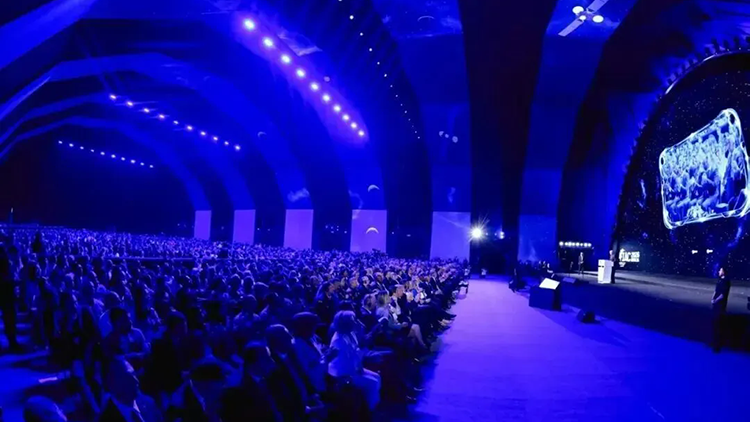
On Friday morning Eastern Time, the SpaceX management team rang the opening bell at the Nasdaq Market Center in New York. In the live display screen, Musk delivered a video speech at SpaceX headquarters in Texas, USA, and remotely participated in the bell ringing ceremony.
Musk said, "Today belongs not only to SpaceX, but also to all those who believe that humanity can become a multi planetary species in the future. ”
He emphasized that going public will not change the company's long-term mission:
Our goal has always been to make humanity an interstellar civilization. The capital market is just a tool to help us accelerate the achievement of this goal. ”
Musk also thanked the employees, investors and Starlink users who have supported the company for a long time, and said that SpaceX will still invest most of its resources in the Mars Program, the next generation of "Starship" and the construction of global satellite Internet networks in the future.
Shotwell: Launch will accelerate the expansion of starships and star chains
SpaceX President and COO Gwynne Shotwell said in an interview with NASDAQ, "Today is an important milestone in the company's development journey, but what really matters is what we need to accomplish next
Shotwell stated that the funds raised this time will mainly be used for:
The next stage of research and mass production for starships;
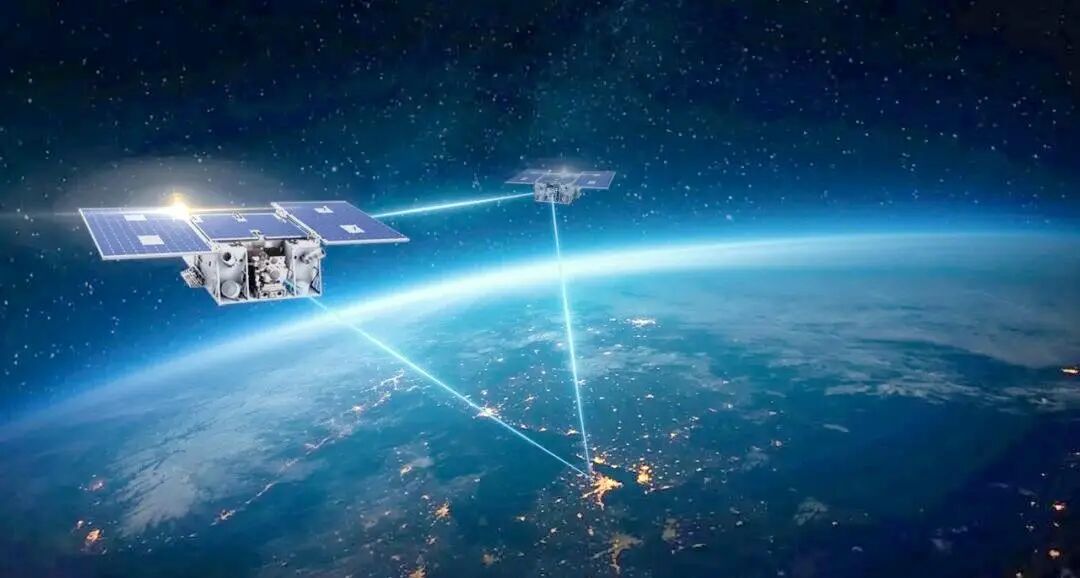
Starlink's global network expansion;
Construction of new generation satellite manufacturing facilities;
Investment in deep space exploration projects.
She said, "Going public gives us unprecedented capital strength, which can accelerate the progress of projects that originally took ten years to complete
Shotwell told the media that in addition to commercial projects, SpaceX is also committed to serving the government and fulfilling relevant contracts.
She said, "We are a patriotic enterprise, and we want to ensure that the government can access leading technology and the highest quality products. And I believe that what we provide is the highest quality products." She also said that SpaceX will "always support our government.
How does Wall Street view SpaceX?
For Wall Street, SpaceX is not just a rocket company.
Analysts generally believe that its business model has simultaneously covered: launch services; Satellite internet; Defense and intelligence operations; Space infrastructure; Deep space exploration. Therefore, more and more institutions regard it as a "super enterprise" that combines the attributes of a technology platform, defense contractor, and infrastructure operator.
Wedbush analyst Dan Ives said:
SpaceX is one of the most important technology companies in the world over the past two decades, and its significance in going public is no less than Google, Facebook, and Alibaba's entry into the capital market back then. ”
Many investors consider SpaceX, along with tech giants such as Nvidia, Microsoft, and Apple, as a core growth asset for the next decade.
Sequoia Capital partner Sean Maguire drew an analogy between today's SpaceX and AI chip giant Nvidia. He said:
I personally think that SpaceX today is more like Nvidia three years ago than Tesla, which many investors often compare to. What I mean is, I am confident that it will achieve explosive revenue growth. ”
Maguire also added that as an individual investor, he intends to 'forever hold these (SpaceX) shares'.
Mandeep Singh, Senior Analyst at Bloomberg Industry Research, is more optimistic about the prospects of SpaceX's two acquisitions this year. After being acquired by SpaceX, Cursor's position as an AI infrastructure provider and coding agent will be further consolidated through its IPO.
For Musk's AI startup xAI, which completed its acquisition in early February, Singh pointed out that by the end of 2026, xAI's contribution to SpaceX's sales may increase from about 17% to over 50%. He expects xAI's sales to reach $30 billion by 2027, supporting a valuation of $300 billion to $400 billion, which is about 10 to 13 times the expected sales.
Capital markets usher in a new era
SpaceX's IPO not only sets a historical record for IPOs, but may also reshape the landscape of the US capital market.
For a long time, many of the most growth oriented technology companies have chosen to stay in the private equity market, and SpaceX's successful IPO is seen as an important turning point.
Analysts believe that if SpaceX performs strongly after going public, it may further push super unicorns such as OpenAI, VNet, and Stripe to reconsider their IPO plans.
For investors, this is also the first time they can directly participate in the growth of global commercial aerospace industry leaders.
As the first transaction is about to be born, the focus of market attention has shifted from "whether it can be successfully listed" to another question:
When SpaceX, valued at $1.8 trillion, truly begins trading, what kind of pricing is Wall Street willing to give to this' Mars company '.